“Medicinal smell” search results (50)
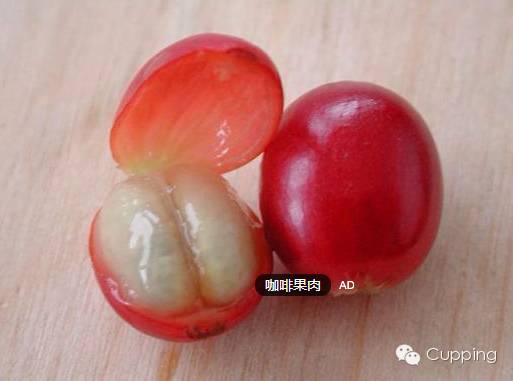
Coffee Nose (11/12): Fermented in Defect Group (2/3)
Coffee nose fermented into coffee pulp (coffee pulp), basmati rice (basmati rice) and medicinal (medicinal) three kinds. 13 Coffee Pulp Odor Type: Fermented, Wine Odor Characteristics: This is the smell emitted by coffee cherries in coffee estates when they are pulped. Coffee pulp detached by fermentation
2015-12-14 coffee nose blemish fermented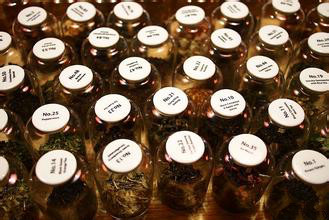
Explain 36 smell bottles in detail-- the taste of coffee
With regard to the 36-flavor fragrance bottle-coffee nose, I believe everyone is familiar with it as well as unfamiliar. Here I will share some of the things I have sorted out. Please forgive me if there is anything wrong. The coffee nose was divided into four groups with 9 branches in each group. Enzymatic (enzymatic group) (fruit): lemon Lemon, apple Apple, apricot Apricot (vegetable): potato Potato, cucumber Cu
2015-11-27 Detailed explanation smell coffee taste about nose believe everyone
Explain the taste of 36 flavor bottles of coffee and challenge your taste buds.
The coffee nose was divided into four groups with 9 branches in each group. Enzymatic (enzymatic group) (fruit): lemon Lemon, apple Apple, apricot Apricot (vegetable): potato Potato, cucumber Cucumber, pea GardenPeas (nectar): coffee flower Coffee Blossom, perfume rose TeaRose, honey Honeyed Sugar Browning (caramel group) (four nuts): roasted
2015-11-27 Detailed explanation smell coffee taste challenge yours taste buds nose divided into
Common sense of graded coffee to distinguish between coffee beans and coffee beans
● distinguishes the key names and specifications of coffee beans the name of the port of export of ● can tell the shipping route from the name of the port of exit marked. Coffee from the same origin or the same brand has a certain route, so it is also exported from the same port. For example, if it is marked as "Brazil. Santos", it means that this is coffee exported from Santos, but the one marked "Mocha" is taken as an example.
2015-04-15 Distinguish coffee beans and grading coffee common sense discrimination essentials names
Fine coffee beans: teach you to distinguish coffee beans and coffee beans graded coffee basics
● Key to distinguish the name and specification of coffee beans ● Export port name From the indicated export port name, you can know the route of transportation. Coffee of the same origin or brand has a certain route, so it is also exported from the same port. For example, if the label is "Brazil." Santos "means it's coffee coming out of Santos, except when it's marked mocha.
2015-12-15 boutique coffee beans teach you distinguish and grade coffee primer basics
Distinguishing coffee beans and the grading of coffee beans teaches you how to distinguish coffee beans.
● distinguishes the key names and specifications of coffee beans the name of the port of export of ● can tell the shipping route from the name of the port of exit marked. Coffee from the same origin or the same brand has a certain route, so it is also exported from the same port. For example, if it is marked "Brazil." "Santos" means that this is coffee exported from Santos, with the exception of those marked "mocha".
2016-01-11 Distinguish coffee beans and grading teach you to master how essentials distinguish coffee
Distinguish coffee beans and the grading of coffee beans how to distinguish the quality of coffee beans coffee knowledge
● distinguishes the key names and specifications of coffee beans the name of the port of export of ● can tell the shipping route from the name of the port of exit marked. Coffee from the same origin or the same brand has a certain route, so it is also exported from the same port. For example, if it is marked "Brazil." "Santos" means that this is coffee exported from Santos, with the exception of those marked "mocha".
2016-01-23 Distinguish coffee beans and grading how quality good or bad coffee knowledge discrimination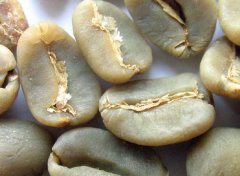
How to inspect raw coffee beans by hand
It is also important to check the origin and specification of raw coffee beans by hand, and to touch them directly to observe their appearance and feel. To judge the quality of raw coffee beans by appearance, you must have a certain degree of experience, but as long as the type is certain, you can be familiar with it. Color: no spots, light green and bright, for the beautiful color of coffee beans, and this is also related to the harvest. shape
2016-05-31 hand how inspection coffee beans manual sifting reference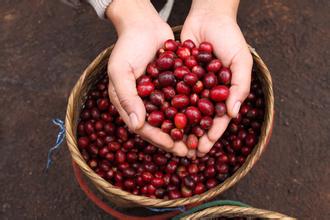
Coffee rookie entry-level learning coffee lesson 1 basic knowledge of coffee introduction to coffee varieties
Coffee belongs to the evergreen shrub of the genus Rubiaceae, which is centered in the tropics. There are about 6000 species of Rubiaceae belonging to 500 genera. Coffee has always been thought to have certain effects, such as strengthening the stomach, waking up the brain, stopping bleeding, dissipating heat, strengthening the body, and so on. The more famous Rubiaceae plant is Gardenia jasminoides, whose fruit was dried and used as medicinal material a long time ago. The three native species of coffee
2016-02-17 Coffee rookie introduction learning one lesson fundamentals knowledge learning variety coffee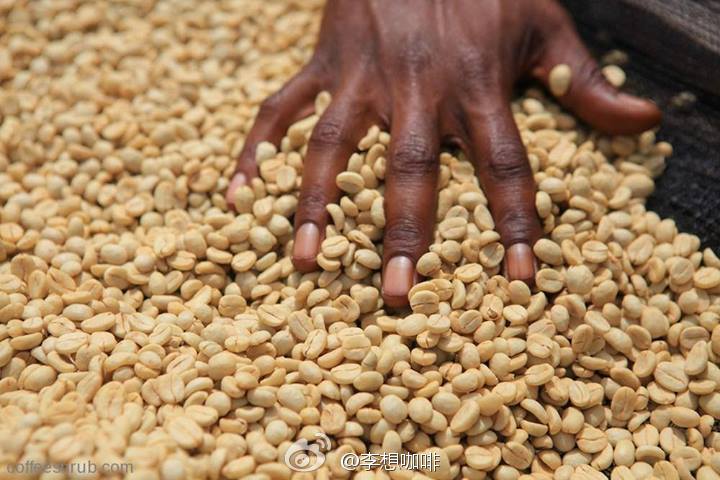
The method of picking raw beans how to pick raw beans steps of picking defective beans
How to check raw coffee beans by hand is the soul of a cup of coffee, successfully select fresh coffee, and then through grinding, filtering, brewing, you can get an ideal coffee. It is also very important to refer to the markings of origin and specifications and touch them directly with your hands to observe their appearance and feeling. To judge the quality of raw coffee beans by appearance, you must have a certain degree of experience, but only
2016-03-22 Raw beans picking methods how steps defects with hands inspection coffee beans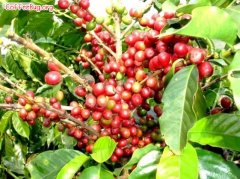
The basic knowledge of coffee beans The three original species of coffee
Coffee belongs to the evergreen shrubs of the genus Coffee of Rubiaceae, centered in tropical regions, with about 500 genera and 6000 species of Rubiaceae plants distributed here. Coffee has long been thought to have certain medicinal effects, such as invigorating stomach, refreshing mind, stopping bleeding, dissipating heat, strengthening body, etc. More famous Rubiaceae plants and gardenia, its fruit has long been dried as medicine
2015-11-06 coffee beans basics coffee three big native
Introduction to the flavor and taste characteristics of Ethiopian coffee manor with fragrant and mellow smell
Ethiopian coffee beans grow in close to the natural environment. After years of planting under the same growth conditions, Ethiopian coffee beans have gradually adapted to the environment here. More than 60% of coffee beans are grown in forests or semi-forests. Large-scale coffee-growing villages account for about 35% of the country's total coffee production.
2016-09-13 Smell mellow thick Ethiopia coffee manor producing area flavor taste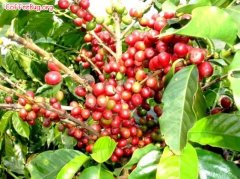
The basics of coffee beans the three native species of coffee
Coffee belongs to the evergreen shrub of the genus Rubiaceae, which is centered in the tropics. There are about 6000 species of Rubiaceae belonging to 500 genera. Coffee has always been thought to have certain effects, such as strengthening the stomach, waking up the brain, stopping bleeding, dissipating heat, strengthening the body, and so on. The more famous Rubiaceae plant is Gardenia jasminoides, whose fruit was dried and used as medicinal material a long time ago. The three native species of coffee
2015-01-26 Coffee beans basic knowledge coffee three native belong to grass family evergreen
The basic knowledge of Coffee beans Coffee beans are the three native species of coffee
Coffee belongs to the evergreen shrub of the genus Rubiaceae, which is centered in the tropics. There are about 6000 species of Rubiaceae belonging to 500 genera. Coffee has always been thought to have certain effects, such as strengthening the stomach, waking up the brain, stopping bleeding, dissipating heat, strengthening the body, and so on. The more famous Rubiaceae plant is Gardenia jasminoides, whose fruit was dried and used as medicinal material a long time ago. The three native species of coffee
2015-04-13 Coffee beans basic knowledge coffee three native belong to grass family evergreen
Evolution from spoon to airflow baking appliance
When humans discovered that coffee seeds had a special and fascinating flavor, it was the beginning of coffee history. This time coffee beans have gone from being used only as medicinal herbs in East Africa and southern Arabia to becoming one of the most popular drinks in the world and the second most traded economic goods in the world today. Some skeptics believe coffee beans are made
2015-04-13 spoon into flow roasting utensils evolution human discovery coffee seed
Ono: addicted to coffee
It's like having a hundred little mice running back and forth in my heart. But the addiction to coffee doesn't seem that obvious.
2014-05-19 Coffee addiction coffee beans.
Coffee basics: How to drink coffee
Coffee beans from all over the world are processed in a variety of ways to provide tasters with a variety of flavors and styles of coffee drinks. From light to full, from strong to slightly sour, the variety is bewildering to coffee drinkers and to those trying to distinguish their characteristics. However, just as wine tasting has a clear set of rules,
2014-11-03 coffee knowledge coffee primer coffee basics coffee cup
Introduction to the flavor and taste of Ethiopian boutique coffee beans and the characteristics of the manor producing area
A large amount of coffee production (95%) is done by small shareholders, with an average yield of 561 kg per hectare. For centuries, minority holders of Ethiopian coffee farms have been producing a variety of high-quality types of coffee. The secret of producing high-quality coffee is that coffee farmers have developed the right environment through generations of repeated learning about the coffee planting process.
2016-08-25 Smell mellow thick Ethiopia boutique coffee beans flavor taste manor
This traditional Chinese medicine shop, which looks like a coffee shop, completely subverts our imagination.
Speaking of traditional Chinese medicine clinics, you may think of doctors in white coats, gray hair and presbyopia glasses, rows of cabinets with various herbs, and the smell of medicines that pervade the whole space. In our impression, the traditional Chinese medicine clinic has always been regarded as a place full of antique and Chinese style, which seems to have nothing to do with modern style. However, the recently renovated Taipei
2016-09-08 This very similar coffee shop drugstore all subversion we imagination speaking of traditional Chinese medicine
There are ten criteria to consider when evaluating coffee
Coffee beans from all over the world are processed in a variety of ways to provide tasters with a variety of flavors and styles of coffee drinks. From light to full, from strong to slightly sour, the variety is bewildering to coffee drinkers and to those trying to distinguish their characteristics. However, just as wine tasting has a clear set of rules,
2015-01-22 cup test coffee taste ten standard consider from around the world all kinds